The site
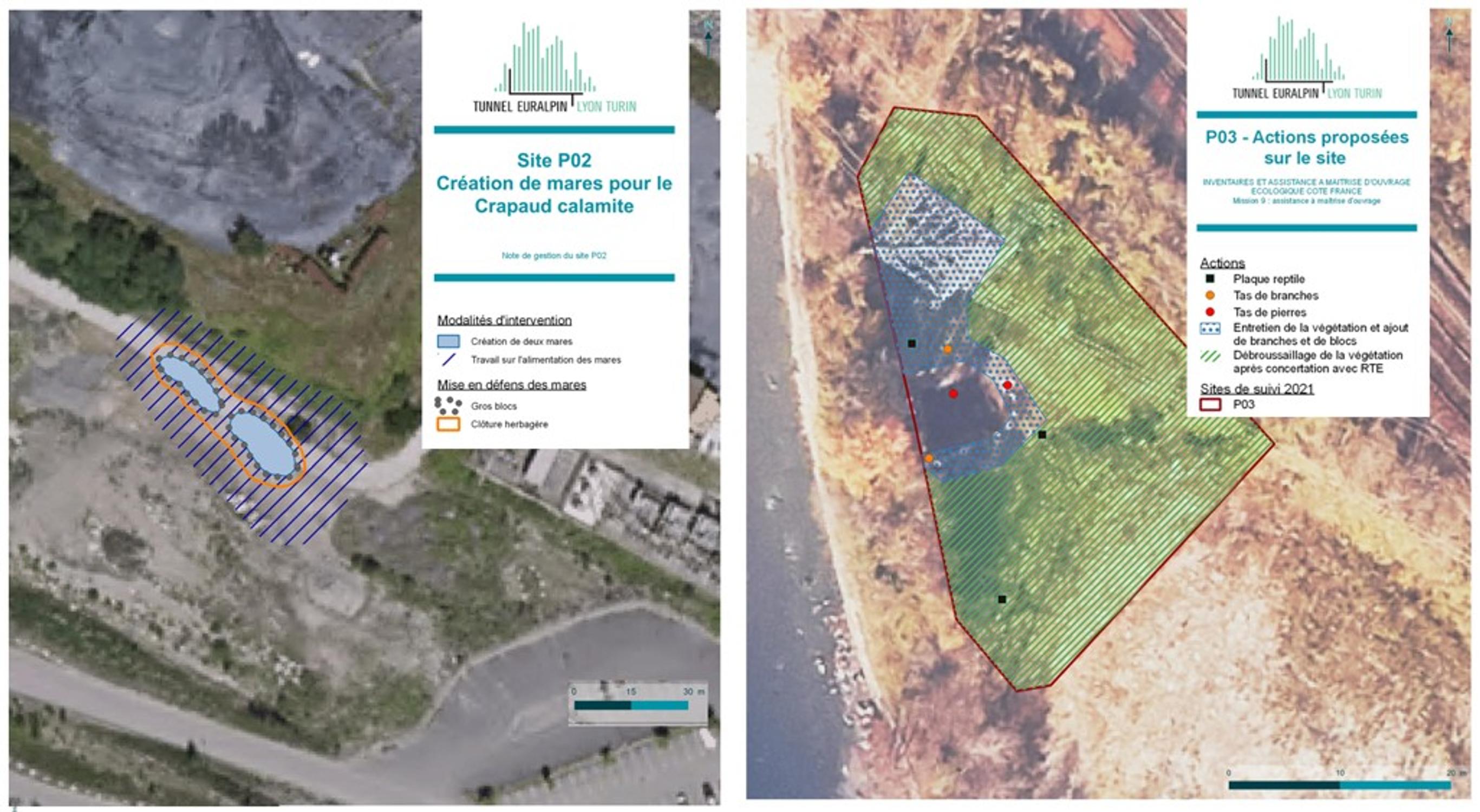
These two measures concern two small sites where ponds have been created in pioneer habitats: one in the municipality of Saint-Martin-la-Porte, between the Arc River, the railway line, and the Saint-Félix temporary material storage site, and the other on a vacant plot near the Ferropem plant in Montricher-Albanne.
Key issues
The objective of this measure is to strengthen the network of temporary ponds favourable to amphibians, and in particular to the natterjack toad, established by TELT on the valley floor between Saint-Jean-de-Maurienne and Saint-Michel-de-Maurienne. In 2016, TELT conducted a study to improve knowledge of the distribution of the natterjack toad in the Maurienne Valley, including the search for and identification of the species’ breeding sites. The results of this study identified locations frequented by the species in its search for temporary ponds to complete its breeding cycle. These include the surroundings of the Ferropem plant, characterised by highly mineral environments and the absence of competition from other amphibians, as well as the area around Saint-Félix. The objective of these two measures is therefore to maintain and improve the suitability of these sites for the natterjack toad and thus ensure the species’ long-term reproduction.
Partners
Ferropem
Objectives
Creating habitats favourable to amphibians, particularly the natterjack toad
Monitoring the evolution of amphibian populations on the site
Discover…
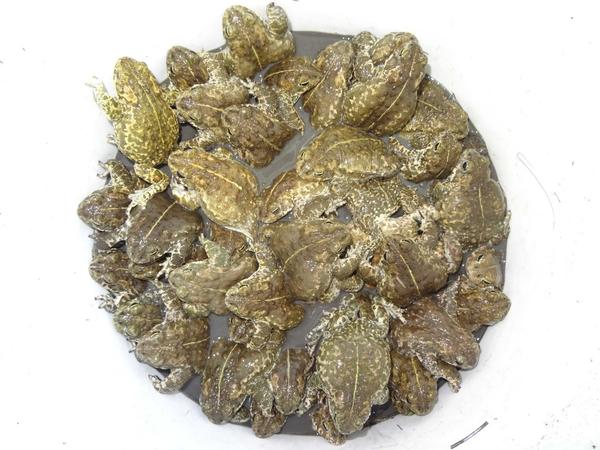
The natterjack toad. This amphibian favours sunny areas with short vegetation rich in prey, as well as stones or loose soil in which it can take shelter. For breeding, it seeks out shallow water bodies with a strong mineral character that warm up quickly in the sun, thereby accelerating tadpole development. However, the risk is that these small ponds, or more often simple puddles, may dry out. As a result, the natterjack toad lays eggs in multiple water bodies, hoping that at least one of them will retain water for around three weeks. Adventurous by nature, it readily frequents quarries, where it can breed in wheel ruts filled with water. Since its truly natural habitats have declined overall due to urbanisation and river engineering, the natterjack toad has had to rely on substitute habitats located in areas strongly influenced by human activities.